XP ORX Review
XP ORX Review
Is This Detector Right For You?
The Full Review
Where this one comes from
I have not owned the ORX, and I will not pretend otherwise. This is not me telling you about my own machine, it is me pulling together what the community has worked out over years.
XP forums, TreasureNet and the UK detecting forums, long-term owner threads, gold-hunting write-ups and manuals, specifications and owner reports, all boiled down into the honest picture rather than a hot take off the box.
The stripped-back Deus, and why that was clever
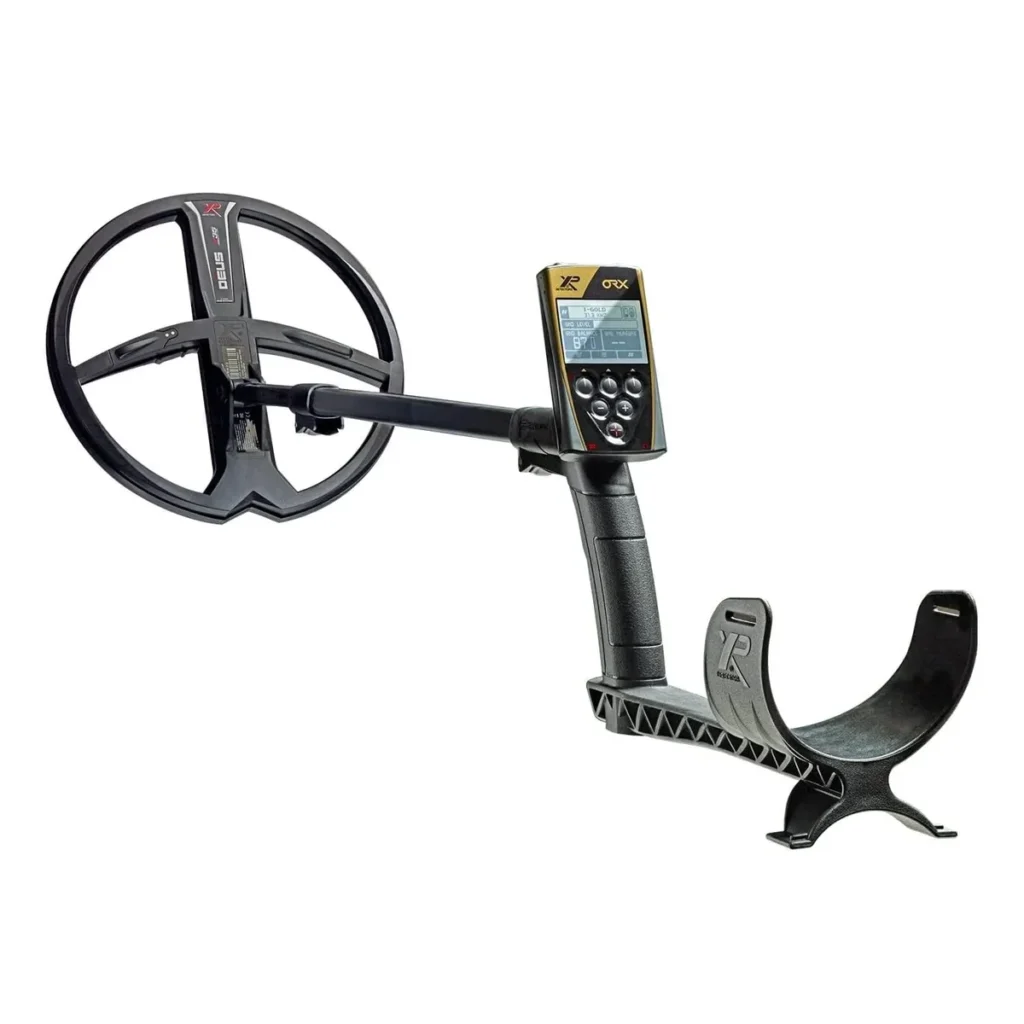
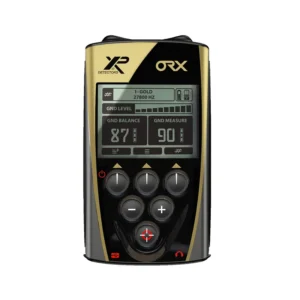
The ORX is best understood as a simplified, cheaper XP Deus. It keeps the bit that made the Deus special, the wireless coil with the signal processing built right into it, sending data by radio link to a little LCD remote, so there is no cable running down the shaft to the coil. XP then stripped away a load of the deep menu complexity and dropped the price. The result, from years of owner discussion, is a machine people describe as leaner, faster and frankly more fun for an average day out than the Deus it came from. That line, “leaner, faster, and more enjoyable for the average day out”, gets echoed a lot.
The headline most owners lead with: the weight
Pick almost any ORX thread and the first thing people praise is how light it is. At roughly 750g it is about the lightest serious detector on the market, and that is not a gimmick. Anyone who has swung a heavier machine for six hours knows arm and shoulder fatigue is real. It wrecks your concentration late in a hunt, and tired arms find less. A detector this light genuinely changes how long you can hunt properly. Combine that with the fully wireless coil and the consensus is that the ORX is one of the most comfortable machines you can put on your arm.
Two very different ORXs, so buy the right coil
This is the bit that catches people out, so I will be clear. The ORX comes in two flavours depending on the coil, and they suit very different detecting.
The X35-coil version is the coin and relic setup. It runs a range of frequencies down to around 13 kHz and is the sensible all-rounder for fields and general hunting. The HF-coil version is the gold and tiny-target specialist, reaching very high frequencies of 50 kHz and beyond. Why does that matter? High frequency is far more sensitive to tiny, low-conductive targets, so the HF ORX is a genuinely strong performer on sub-gram gold and small, thin hammered coins that a lower-frequency machine can walk straight over. Owners who hunt small hammered on iron-infested sites rate the HF coil highly. So before you buy, decide which detecting you are actually doing, because the coil defines the machine.
If I were buying, I would pick the coil for my main hunting first and treat the other coil as the upgrade later. The HF coil for small gold and thin hammered, the X35 for general coin and relic work. Buying the wrong one for your ground is the most common ORX mistake I see.
The gripes, and they are real
Now the honest part, because the ORX has a couple of genuine limitations that come up constantly. The big one is the audio. The ORX gives you only three tones and, crucially, you cannot adjust the tone breaks. In plain terms that means a lot of aluminium trash rings up sounding very much like a good coin, and you end up leaning hard on the VDI numbers on the remote to tell them apart rather than trusting your ears. For a hobby where a lot of people hunt by sound, that frustrates owners who came from more configurable machines.
Tied to that is the deliberate simplification. There is no expert or advanced mode, so unlike a Deus you cannot really grow into the ORX. Once you have learned it, you have learned it, and tinkerers tend to hit that ceiling and wish they had bought the Deus instead. There is also no depth meter, which bothers some and not others. And the learning curve is steeper than the simple looks suggest. As one owner put it bluntly, if you do not understand what each setting does you might as well be detecting with a mop.
On the hardware side, scan enough threads and a few niggles recur: charging-contact and standby-drain quirks on the coil battery, the occasional coil dropping its connection (usually fixed by reseating the battery), limited fine control on the WSA wireless headphones, and reports of the remote draining when switched off. None of these are universal, but they appear often enough to mention. Because XP batteries are built into the coil, a tired coil battery is a real cost down the line, so it is worth checking on a used buy.
Who I would steer towards it, and who I would not
I would point a few clear types at an ORX. The gold and small-hammered hunter who wants that high-frequency edge in a feather-light package. The detectorist who wants XP’s wireless build and quality but neither the price nor the menu depth of a Deus. And anyone who prizes all-day comfort above deep customisation. I would steer away the tinkerer who wants to shape every tone and program, because the ORX will frustrate them fast, and the trashy-park coin hunter who relies on tone ID to sort junk, because the fixed three tones work against them there.
Where it sits in 2026
The ORX now lives in the shadow of the XP Deus II, which brought true simultaneous multi-frequency and is the obvious step up. That has pushed the ORX into a narrower but still useful lane: the cheaper XP entry point, the light second machine, and the gold and high-frequency specialist. It is still sold and still capable, you just buy it knowing the Deus II exists above it.
Community Verdict
The ORX is a brilliant little detector held back only by the things XP deliberately left out. Owners love the weight, the wireless coil, the speed and, with the HF coil, the genuine performance on small gold and thin hammered. The honest catches are the three fixed tones that let aluminium masquerade as coin, the lack of any expert mode to grow into, and a handful of recurring battery and connection niggles. If you want simplicity, comfort and high-frequency strength, owners reckon it is excellent value, especially used. If you are a tinkerer, you will hit its ceiling quickly and wish you had bought a Deus.
If you have lived with an ORX, particularly the HF version on small hammered, I would like to hear how it has held up for you through the contact page. Real long-term owner input is exactly what keeps a review like this honest.
👍 Strengths
- ✓Very light wireless build
- ✓XP coil-dependent selectable frequencies
- ✓Strong gold and coin/relic capability with the right coil
- ✓Five-year XP detector warranty with separate battery terms
👎 Compromises
- ✗Not a fully submersible control unit as standard
- ✗Discontinued/legacy XP platform
- ✗Not upgradeable into a full XP Deus feature set
Key Specifications
An excellent all-round detector that punches well above its price. Best suited to intermediate-level detectorists focused on gold, coins.
Last reviewed: 2026-05-24
Affiliate disclosure: we may earn a commission at no extra cost to you. Our reviews stay independent.
XP ORX: Owner's Reference and Setup
The practical detail behind the review: the coils that shape what it does, how it updates, sensible starting settings and the questions owners ask most. Checked against XP's own listings and the wider owner community.
Best accessories for the XP ORX
- Confirm the headphones A remote-only used package is less convenient; XP's WS Audio wireless headphones are the usual pairing.
- The MI-6 pinpointer It integrates with the ORX just as with the Deus.
- A coil cover Since the coil, remote and headphones each carry a battery.
- Check every wireless component charges Since the coil, remote and headphones each carry a battery.
Coils that fit the XP ORX
| Coil | Type | Best for |
|---|---|---|
| X35 22.5 cm | 3.7 to 27.7 kHz | General coin and relic work |
| X35 28 cm | 3.7 to 27.7 kHz | More depth and coverage |
| HF 22.5 cm | 13 to 81 kHz | Small gold and hammered silver |
| HF elliptical | 13 to 81 kHz | Trashy ground and tight separation |
ORX uses XP's active wireless coils, so they are platform-specific and Deus II FMF coils are not ORX coils. Pick the coil for your sites, since it changes what the machine does.
Headphones and audio for the XP ORX
The ORX takes XP's WS Audio wireless headphones depending on the package. Confirm a used one includes them, since a remote-only unit is less handy in the field.
Best settings for the XP ORX
- Start with the preset Coin Fast, Coin Deep, Gold or Fine Gold program to suit the site.
- Adjust sensitivity, frequency and ground balance carefully, then leave them.
- Ground balance properly in the gold modes, where it matters most.
Firmware and manuals for the XP ORX
The ORX updates over USB. XP do not surface a specific ORX version in the same way as the Deus line, so check the official updater or ORX support file before relying on a version number.
XP provide the ORX manual through their download pages; use it to verify the programs, coil pairing and charging.
View the manualXP ORX: common questions
Is the ORX just a cheaper Deus?
It is a simpler machine on the same wireless platform, lighter than many wired detectors and good for gold or coins with the right coil. It is not a full Deus feature set or a Deus II substitute.
Which ORX coil should I get?
The one that fits your sites: X35 for general coin and relic work, HF for small gold and hammered.
ORX or a used Deus?
If you want more control, a used Deus is worth weighing up; if beach and water matter, look at the Deus II.
More detectors and guides
Browse other XP machines like XP Deus II and XP Deus. Read the XP range in full, or open the detecting glossary for plain-English explanations of multi-frequency, discrimination and pinpointing.