Detectorist World

Independent metal detector reviews, clubs and UK guides
Location Guide • London

Metal Detecting in Greater London

Mostly urban with very limited arable land. Thames foreshore detecting (with a Port of London Authority licence) is the primary opportunity and can be highly productive.

Top Site Type
Thames foreshore
Best Detector Type
VLF single-frequency
Region
London

FROM THE PORTABLE ANTIQUITIES SCHEME

Metal Detecting Finds
in Greater London

Selected archaeological finds from the PAS records for Greater London.

Database records
16,016
Recorded objects
17,676
Post Medieval copper alloy token from SouthwarkPOST MEDIEVAL

Post Medieval copper alloy token

A worn Post-Medieval copper-alloy farthing penny trade token dating from AD 1648-1674. Williamson (1889:613 no. 1197) Obverse: L . CASHE . AT . THE…

Explore this find

Photo: The Portable Antiquities Scheme · CC-BY
Licence label and image metadata on the linked PAS record.

Roman copper alloy coin from SouthwarkROMAN

Roman copper alloy coin

A copper-alloy Roman nummus of Constantius II (AD 323-361) dating to the period c. AD 355-361 (Reece Period 18).

Explore this find

Photo: The Portable Antiquities Scheme · CC-BY
Licence label and image metadata on the linked PAS record.

PAS data collected 2 November 2026. Selected examples, not the latest discoveries. PAS includes finds reported by metal detectorists and other finders.

Explore the statistics & source notes

Captured period and object-type categories are incomplete. These records do not measure detecting activity or a field’s potential.

Source: Portable Antiquities Scheme / The Trustees of the British Museum.

Records and objects are separate measures. Categories are selected, incomplete lists; bars are scaled to the leading displayed category.

The PAS database search for Greater London lists 16,016 database records representing 17,676 recorded objects, checked 2 November 2026. A record can describe more than one object. The selected PAS area facets cannot be combined into reliable county-wide period and object-type rankings. The individual area figures remain available in the source evidence.

Greater London Metal Detecting Clubs

Greater London Finds Liaison Officer

Where You Can Legally Detect in Greater London

Foreshore detecting requires a Port of London Authority licence (free to apply). Most open land in outer London is Green Belt – approach is through the borough councils or private landowners.

Can You Metal Detect on Council Land in Greater London?

London has no single council-wide metal detecting policy. Bexley and Hackney say metal detecting is not allowed in their parks and open spaces. Tower Hamlets requires permission, and its rules also restrict removal of turf and soil, so permission to use a detector should not be assumed to include digging. Other boroughs, the Royal Parks, Corporation-managed spaces and the Thames foreshore are separately controlled. Check the relevant land manager before visiting.

Sources: bexley.gov.uk

Important: Council policies and land access rules can change. This information is a guide and may be incomplete, outdated or incorrect. Always check the relevant council official website or contact it directly before detecting. Public access does not automatically mean permission to detect or dig.

Geology, Site Types & Detecting Tips in Greater London

Geology

Thames alluvium, London Clay, gravel terraces. Urban development covers most of the county. The Thames foreshore is the main detecting environment.

Site Types to Target

Thames foreshore (PLA licence required), rural fringe fields in outer boroughs (Havering, Hillingdon, Bromley)

What You Can Find

Thames foreshore: Roman coins and artefacts, Tudor and Stuart material, Victorian items. Rural fringe: medieval and post-medieval

Notable Discoveries

The Thames foreshore is one of Europe’s richest mudlarking and detecting environments, producing material from every period of London’s history.

Detecting Tips

Thames foreshore licence is essential – apply at pla.co.uk. Tidal windows are critical – know the tide tables. Outer London rural fringe is genuinely productive for post-medieval material.

Frequently Asked Questions

Where can I go metal detecting in Greater London?

You can detect on private land in Greater London with the landowner’s permission. You must avoid scheduled monuments, SSSIs and other protected sites. Joining a local club is the easiest way to reach permissioned land.

Is metal detecting legal in Greater London?

Yes. Metal detecting is legal in Greater London on land where you have the landowner’s permission, as long as you avoid protected sites and follow the law on reporting treasure and recording finds.

Who is the Finds Liaison Officer for Greater London?

Greater London is covered by a Portable Antiquities Scheme Finds Liaison Officer who records finds made by the public. See the FLO section on this page for contact details, or search finds.org.uk.

What finds turn up in Greater London?

PAS lists 16,016 database records representing 17,676 recorded objects for Greater London, checked 2 November 2026. These are recorded entries rather than a count of every find made. The period and object-type categories shown in the PAS section are selected, incomplete lists.

Can you metal detect on council-owned land in Greater London?

It depends on the borough and landowner. Bexley and Hackney publish restrictions, while Tower Hamlets requires permission. Check each location individually.

Sources & Last Checked

PAS data from finds.org.uk. Last checked 2 November 2026.

Find local detectorists, clubs, suppliers and FLOs

Detecting in Greater London?

Submit your club, suggest a correction or share a great spot – help make this guide the best local resource for detectorists in Greater London.

Submit a ListingSuggest an Edit

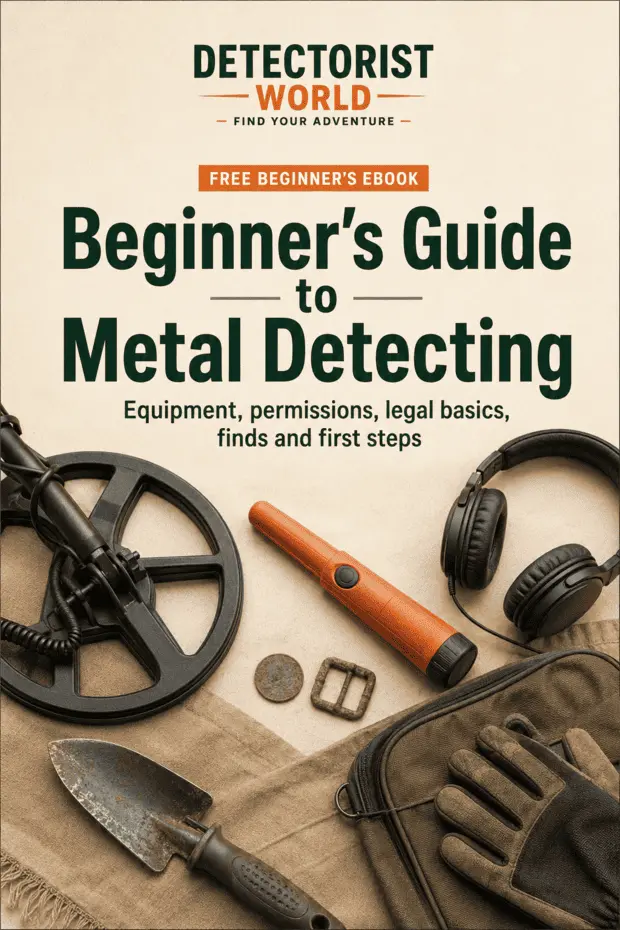
Start Metal Detecting the Right Way

Download the free beginner’s guide covering the equipment,
permissions and essential advice you need to start metal
detecting properly.

  • Choose the right beginner equipment
  • Understand permissions and UK legal basics
  • Avoid the mistakes most beginners make

Detectorist World Beginner’s Guide to Metal Detecting ebook cover